Autumn special offer CHECK - UPS With Our Associate dentist, Down from £98 to £55. Small X-rays are included if needed.
Brushing alone only cleans about 60% of your tooth surfaces. The spaces between teeth need interdental cleaning to prevent gum disease, cavities, and bad breath.
Plaque collects where bristles cannot reach:
* Tightly between teeth.
* Around crowns, bridges, and implants.
* Under the gum line at contact points.
Different spaces, different tools
* Best for: Very tight contacts where brushes cannot pass.
* Technique: Curve the floss into a “C” shape around the tooth and move it up and down.
* Best for: Open spaces, "black triangles," and around implants or braces.
* Note: You may need different sizes for different parts of your mouth.
* Best for: People with limited dexterity or those who find traditional floss awkward.
* Best for: Flushing debris from around braces and bridges.
* Note: These are best used as an addition to mechanical cleaning, not a total replacement.
For the best results, perform interdental cleaning once a day, before brushing. This loosens plaque so your fluoride toothpaste can reach those surfaces more effectively during your two-minute brush.
It is common for gums to bleed when you first begin cleaning areas that were previously missed. This is usually a sign of existing inflammation.
* 4 to 8 weeks: The time it typically takes for regular cleaning to resolve minor inflammation and stop the bleeding.
* When to see us: If bleeding is heavy or persists beyond a few weeks, a professional assessment is needed.
Yes. Plaque builds up quickly and can cause inflammation within 24–48 hours.
Ensure you are using the correct size. If it's too large, it can cause trauma; if it's too small, it won't clean effectively.
No. Liquid cannot scrape away sticky plaque; physical tools are required.
Would you like me to adjust the font styles or add a table of contents to this document?
With Associate dentist only.
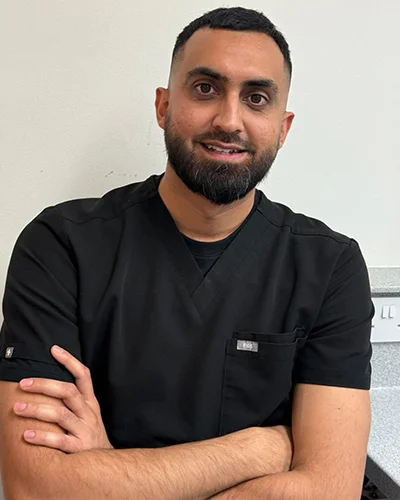
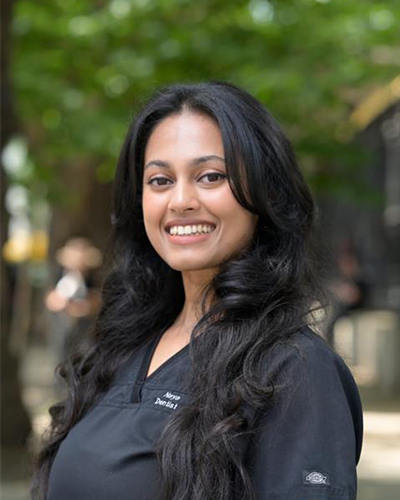
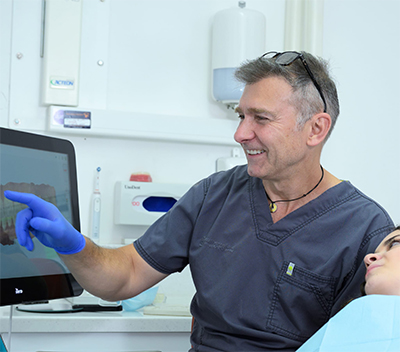
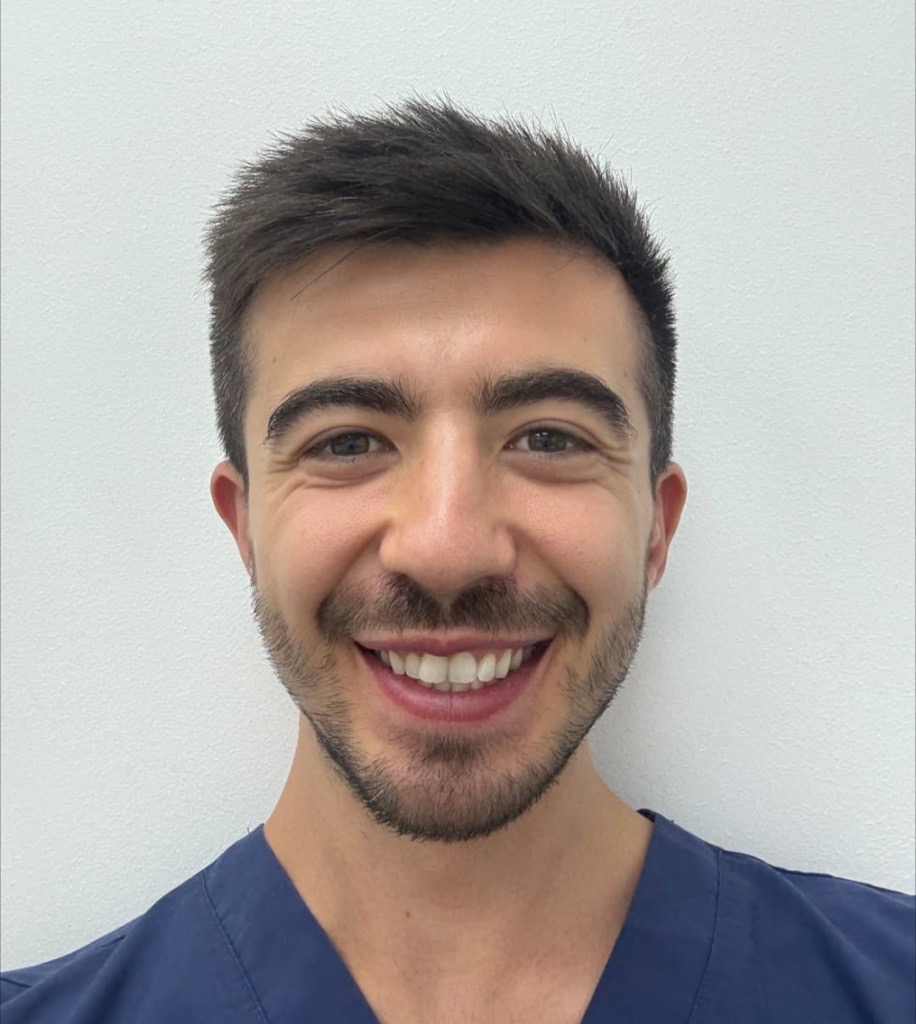
Dr Fabrizio Castellari, Dr Moshin Nathu, Dr Nayanthara Perera, Dr. Oliver Tomlinson. CHECK- UPS Down from £98 to £55Small X-rays are included if needed.
FREE Whitening consultation included.