Autumn special offer CHECK - UPS With Our Associate dentist, Down from £98 to £55. Small X-rays are included if needed.
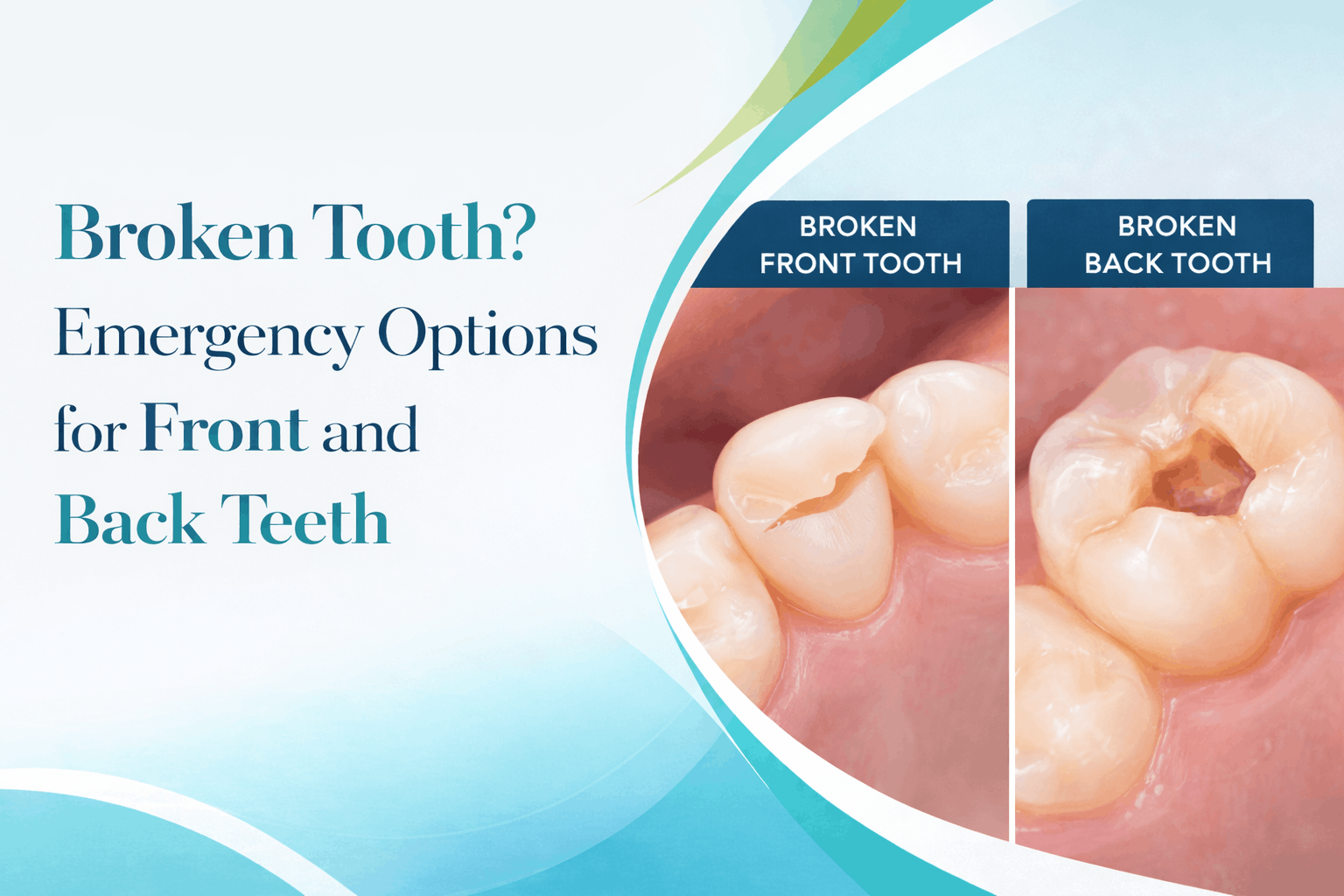
Breaking a tooth can be distressing and sometimes painful. In many cases, it should be treated as a dental emergency. Even if discomfort is mild at first, untreated fractures can worsen, leading to infection, sensitivity or further structural damage.
Minor chips can often be repaired quickly using composite bonding. The material is sculpted directly onto the tooth and polished to match the surrounding enamel.
If a larger portion of the tooth is damaged, a porcelain veneer or more extensive bonding may be recommended to restore shape, strength and aesthetics.
If the fracture reaches the nerve, root canal treatment may be required to remove infected tissue, followed by a crown to protect and reinforce the tooth.
Prompt treatment can relieve pain, prevent infection and improve the chances of saving the tooth.
With Associate dentist only.
Dr Fabrizio Castellari, Dr Moshin Nathu, Dr Nayanthara Perera, Dr. Oliver Tomlinson. CHECK- UPS Down from £98 to £55Small X-rays are included if needed.
FREE Whitening consultation included.