Autumn special offer CHECK - UPS With Our Associate dentist, Down from £98 to £55. Small X-rays are included if needed.
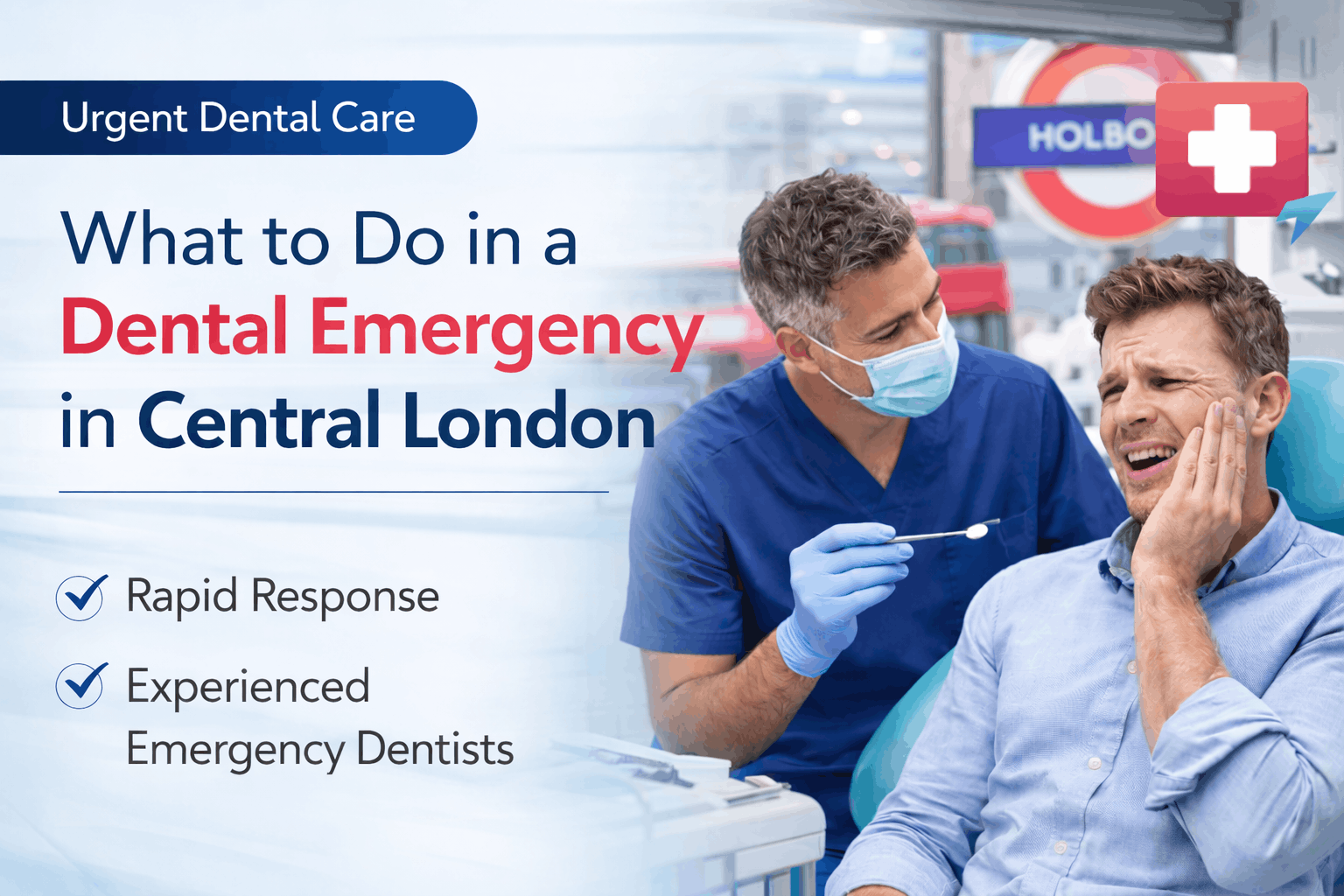
A dental emergency can be a worrying and painful problem, it can cause huge amount of pain and it is important to know what to do
If you have a dental emergency near Russell Square, Holborn, Chancery Lane, Charlotte Street or Covent Garden, there are some clear steps you can take to get seen quickly and stay as comfortable as possible.
Treat the situation as an emergency if you have severe toothache that will not settle with painkillers, a knocked‑out tooth, uncontrolled bleeding, facial swelling, spreading pain that does not go during the day or trauma to your mouth or jaw.
Go straight to A&E or call 999 if you have difficulty breathing, swallowing, heavy bleeding after an accident, or swelling spreading to your eye, neck or chest.
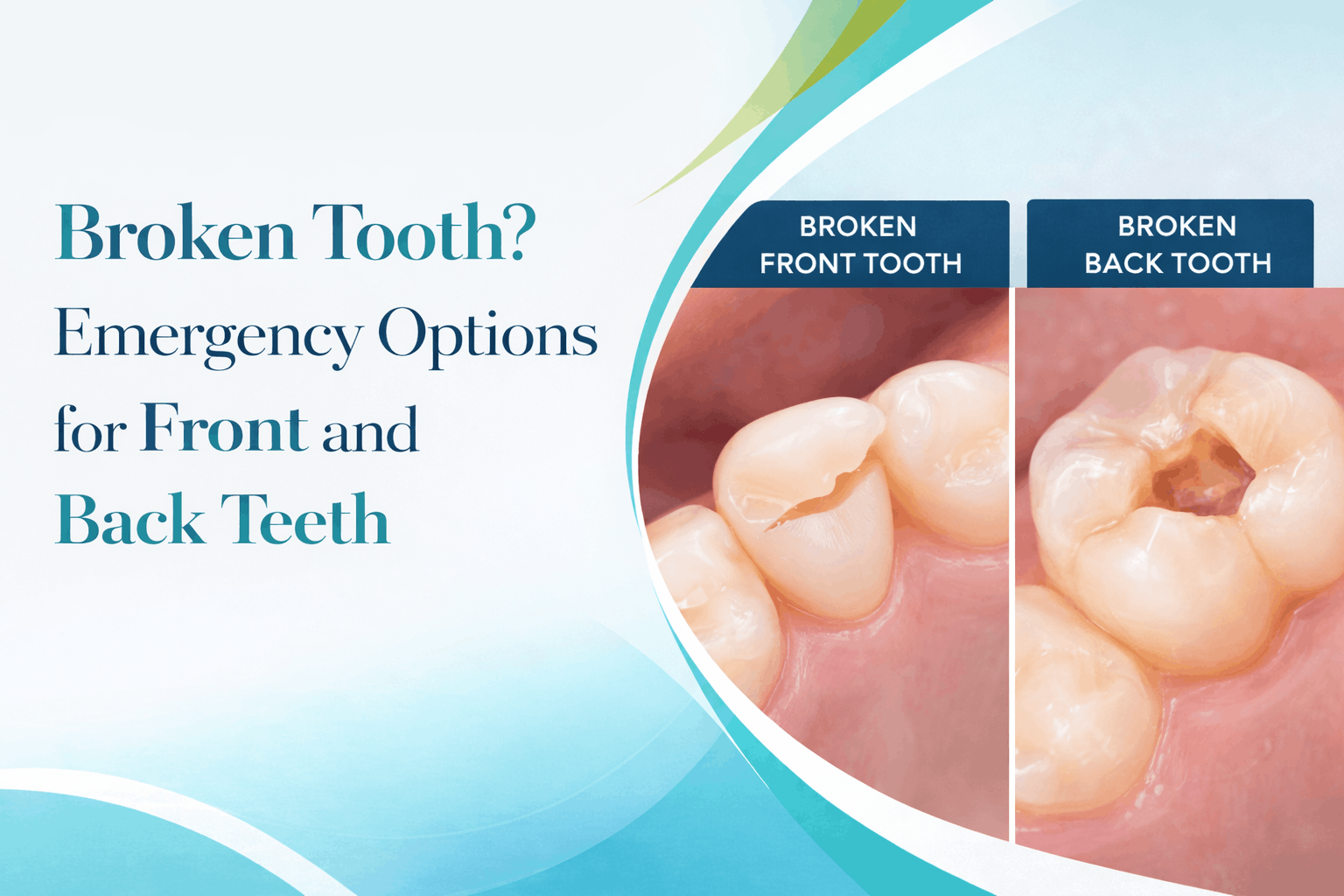
Problems like a lost filling, chipped tooth without or with major pain, or a loose / lost tooth or crown are usually urgent but not life‑threatening and can often wait for a same‑day or next‑day emergency appointment.
Call or search for a dentist first – many practices keep same‑day emergency slots, online booking services and have out‑of‑hours instructions on their voicemail or website.
If you are searching online, use phrases like “emergency dentist Russell Square”, “same day dentist Holborn”, “urgent care dentist Covent Garden” or “walk‑in dentist near Chancery Lane” so you see practices that specifically offer urgent care.
Check the opening hours section on Google, and look for clear information about emergency appointments, out‑of‑hours numbers and how quickly they aim to see patients in pain.
Look for a full address and phone number in central London with easy access from Russell Square, Holborn, Chancery Lane, Charlotte Street or Covent Garden, plus clear directions and transport links.
Make sure the website mentions emergency or same‑day appointments, not just routine check‑ups, and lists common emergencies such as toothache, abscesses, broken teeth and knocked‑out teeth, on their web pages and blogs.
Check that the dentist provides a range of treatments (temporary dressings, root canal, extractions, antibiotics and repairs to broken fillings or crowns), so they can actually stabilise the problem rather than just prescribe antibiotics or painkillers.
Star ratings and written reviews give you a feel for how quickly a practice responds to patients in pain and whether people felt listened to and looked after. Also you can read how the urgent care was successful and resulted in positive results.
Look for comments that mention same‑day appointments, emergency visits, nervous patients and how the team handled severe pain or swelling, as these are directly relevant to your situation.
Consistent positive reviews around cleanliness, communication and after‑care instructions are a good sign that you will receive safe, well‑organised emergency treatment.
With a clear plan to finalise and finish the treatment after the urgent care is complete.
On arrival, the team will take a brief history, ask about your pain, swelling and medical background, and carry out a focused examination, often with an X‑ray.
Their first priority is to diagnose the cause and get you out of pain – this might involve local anaesthetic, a temporary filling or dressing, smoothing or rebuilding a broken tooth, or starting root canal treatment if the nerve is involved.
If the tooth cannot be saved or infection is severe, they may recommend emergency extraction, drainage of an abscess, and a course of antibiotics where appropriate.
In some cases the dentist may not know if the tooth is salvageable until they place the local anesthetic and clean the tooth to look at the underlying tooth
If you are near Russell Square, Holborn, Chancery Lane, Charlotte Street or Covent Garden and are unsure whether your problem counts as an emergency, it is always safer to phone a dentist for advice – they can talk you through your symptoms and tell you whether you need to be seen immediately or booked in urgently within the next day.
With Associate dentist only.
Dr Fabrizio Castellari, Dr Moshin Nathu, Dr Nayanthara Perera, Dr. Oliver Tomlinson. CHECK- UPS Down from £98 to £55Small X-rays are included if needed.
FREE Whitening consultation included.