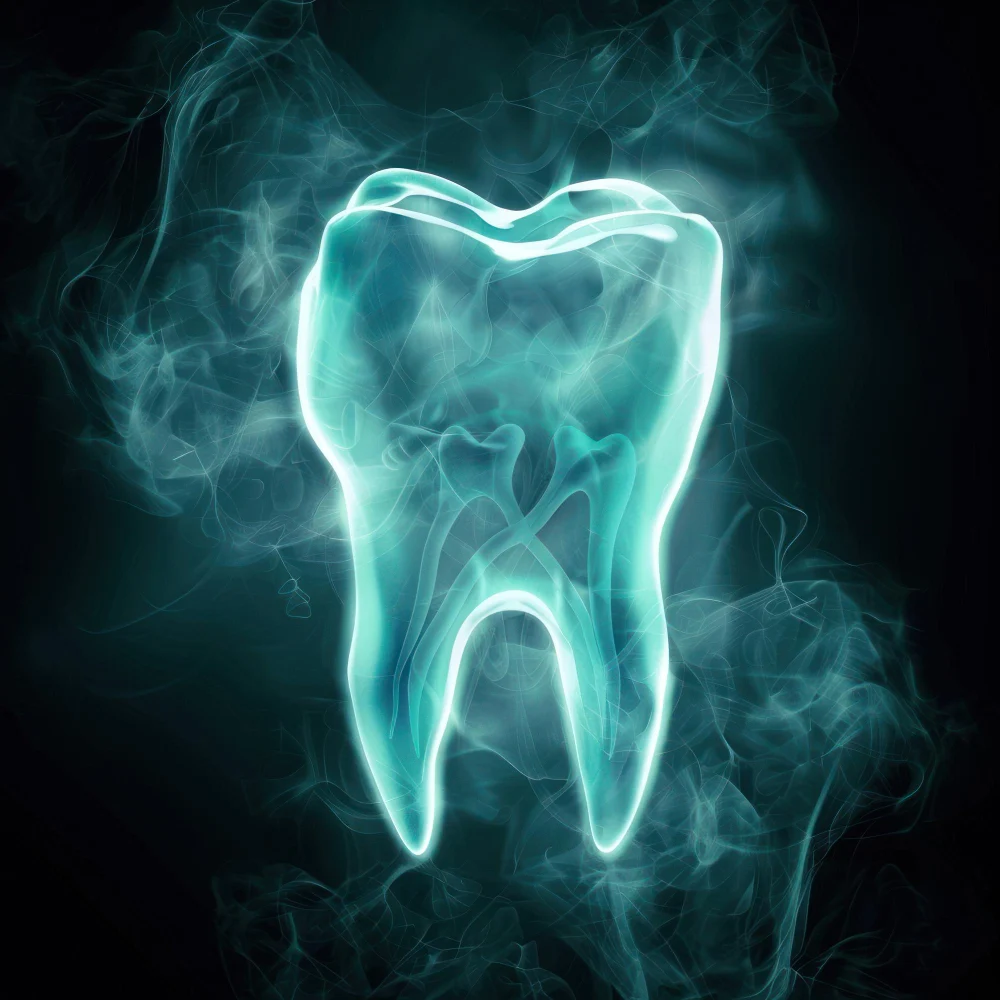
Smoking has a significant negative impact on oral health, affecting both the appearance and function of your teeth and gums. It reduces blood flow to the gums, making it harder for the mouth to heal and increasing the risk of gum disease. Smokers are also more likely to experience tooth staining, persistent bad breath, and a higher buildup of plaque and tartar.
Over time, smoking greatly increases the risk of serious dental problems, including tooth loss and oral cancer. It can also reduce the success rate of treatments such as dental implants and gum therapy. Quitting smoking or reducing tobacco use can significantly improve oral health, enhance treatment outcomes, and support a healthier smile overall.